Eponymous arteries

View Details
Status
Done
notion image
Benner 2021: Magnified sagittal view of the skull base with arterial cerebrovascular structures illustrated to highlight the arterial eponyms:
A, Artery of Salmon
B, Artery of Wollschlaeger and Wollschlaeger
C, Artery of Davidoff and Schechter
D, Artery of Bernasconi and Cassinari
  • aka
    • Marginal tentorial artery
    • Artery of the free margin of the tentorium
    • Artery of Bernasconi and Cassinari
  • May have different origins
    • Lacrimal artery (LA) within the orbit, through the superficial recurrent ophthalmic artery (SRecOA)
    • Inferolateral trunk (ILT)
    • Meningohypophyseal trunk (MHT)
  • Course
    • Posterolaterally along the free margin of the tentorium.
    • notion image
    • Note a 3D-DSA reconstruction of a rare case of MTA (highlighted in red) origin from the OA.
    • The MTA exits the orbit through the superior orbital fissure (SOF) and is directed posteriorly to feed an arteriovenous malformation. DRecOA indicates deep recurrent ophthalmic artery .
  • Arise from cavernous portion of ICA
  • Supplies
    • Tent
    • Meningiomas
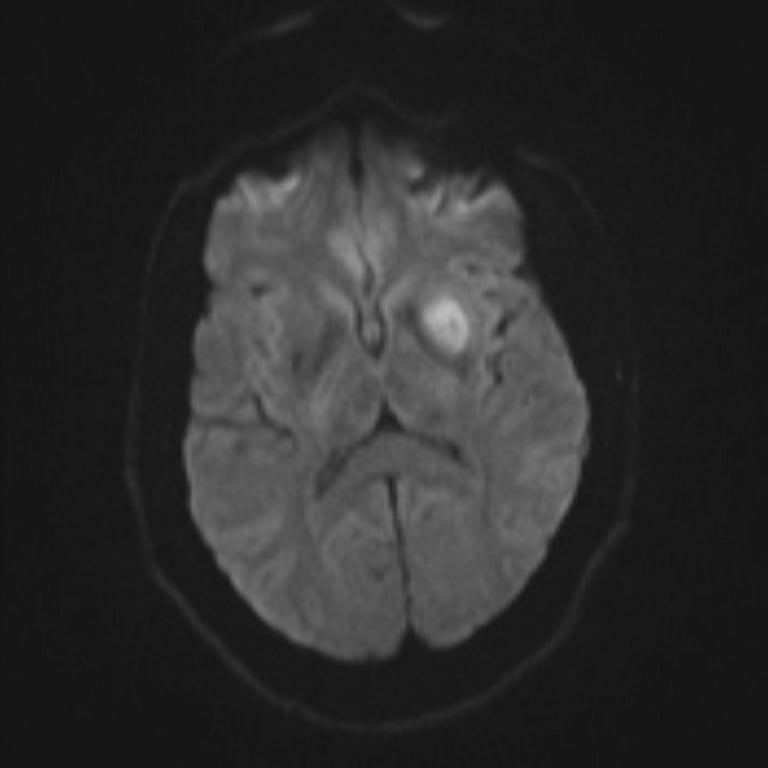
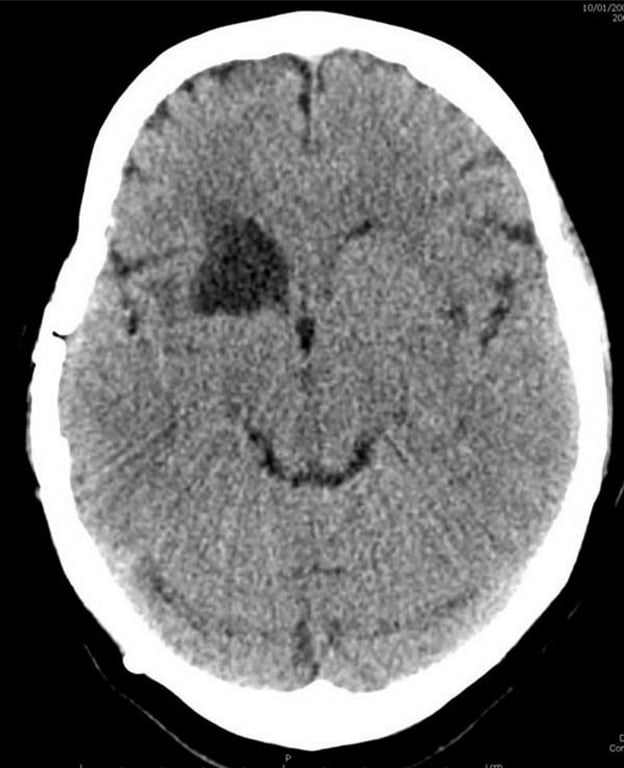
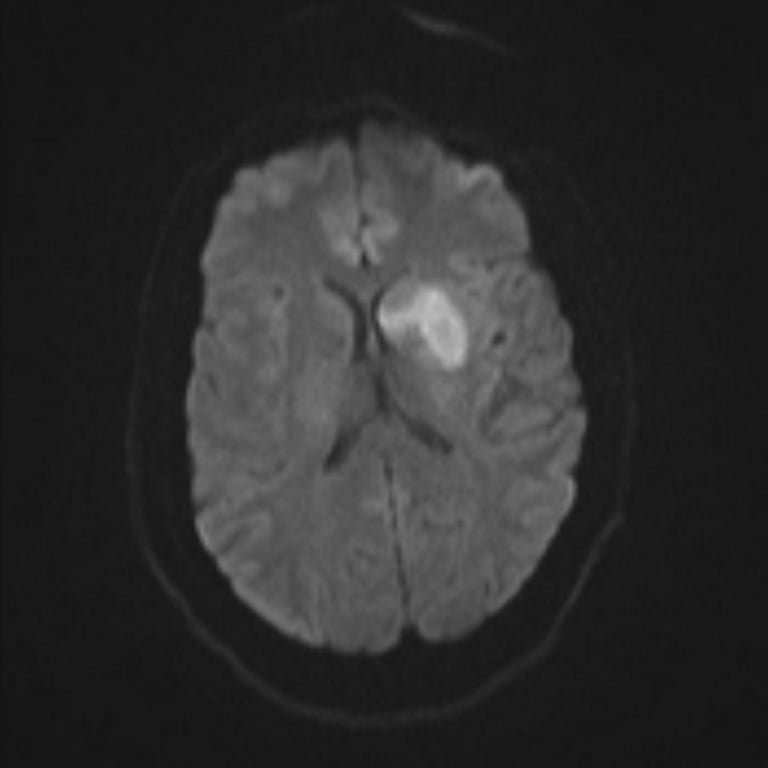
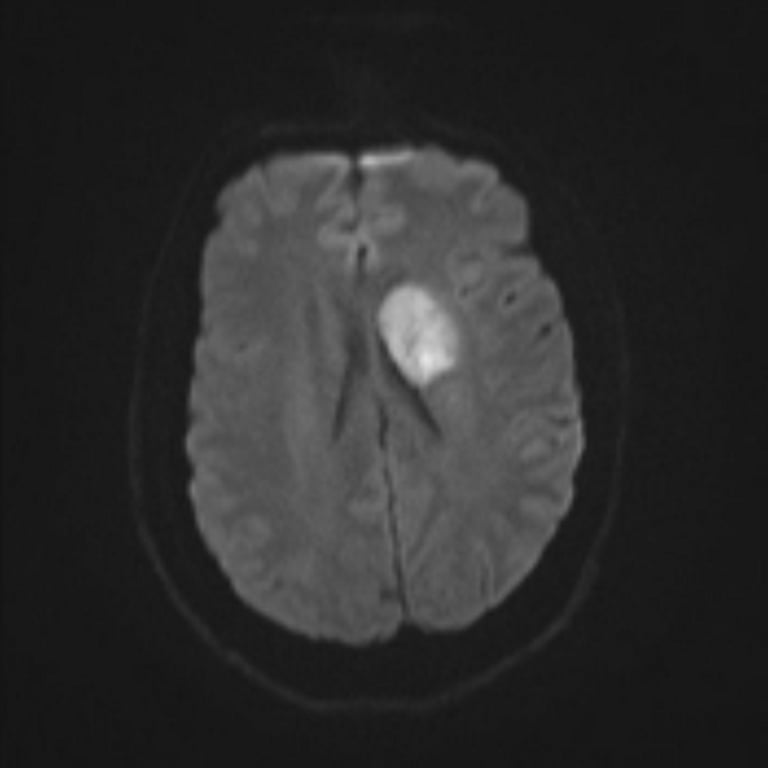
E, Artery of Percheron
 
F, Arteria termatica of Wilder
G, Vidian artery
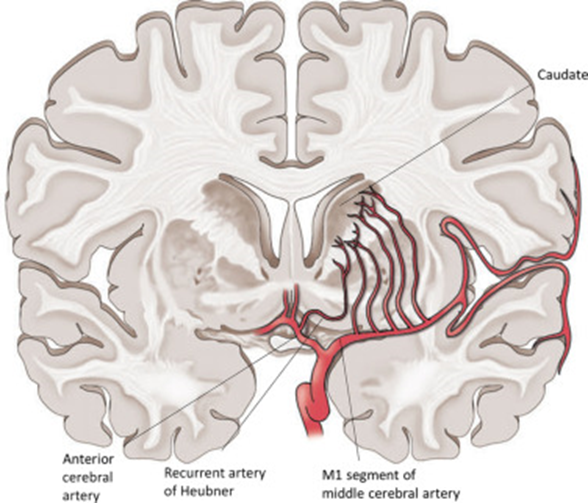
H, Recurrent artery of Heubner
notion image
  • AKA medical distal striate artery
  • This artery is the largest of the perforating branches of the ACA
  • Course generally follows the A1 laterally
  • Arises anywhere near A1-Acom-A2 J(x): most common @ proximal A2
  • Enters anterior perforating substance
  • Supplies:
    • Head of caudate
    • Anterior limb of internal capsule
    • Anterior putamen + Globus pallidus
    • Septal nuclei
    • Inferior frontal lobe
  • Easily clipped accidentally when targeting AComA → pure motor stroke
    • Unilateral
      • Weakness contralateral arm
      • Weakness contralateral face
      • Dysarthria
      • Hemichorea
    • Bilateral: akinetic mutism
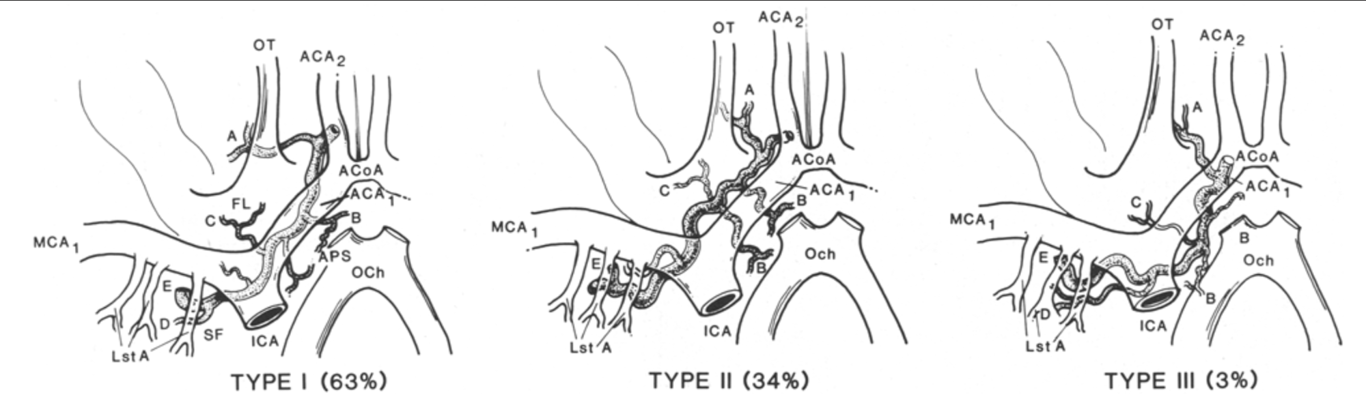
  • 3 variation in the course
    • notion image
    • (A); anterior perforated substance (APS) branches (B); frontal branches (C); Sylvian fissure branches (D); and terminal branches (E).
    • ICA = internal carotid artery; MCA~ = proximal middle cerebral artery; ACA~ = proximal anterior cerebral artery; ACA2 = distal anterior cerebral artery; ACoA = anterior communicating artery; FL = frontal lobe; SF = Sylvian fissure; OT = olfactory tract; Lst A = lenticulostriated arteries; OCh = optic chiasm.
notion image
notion image
notion image
 
notion image
 
notion image
Inferior aspect of the preoptic area. Double recurrent artery of Heubner (RAH) originating from a common trunk off the A₂ segment of the anterior cerebral artery (ACA₂). Note multiple perforating branches from the proximal anterior cerebral (ACA₁) and anterior communicating arteries (ACoA, arrow). OCh = optic chiasm; ON = optic nerve; OT = optic tract; GR = gyrus rectus; FL = frontal lobe.
 
Inferior view of the base of the brain. On the left, a double recurrent artery of Heubner (RAH), originating from a common stem (arrow 1) off the distal anterior cerebral artery (A₂). Note the early olfactory branch of the recurrent artery (OLF.Br). Frontal branches (arrow 2), Type 1 course (arrow 3), and the RAH perforating the brain in the anterior perforating substance are also shown (arrow 4). ON = optic nerve; OCh = optic chiasm; OT = optic tract; ACA₁ = proximal segment of the anterior cerebral artery; LT = lamina terminalis; GR = gyrus rectus.
 
Double recurrent artery of Heubner (RAH) with separate origins from the A₂ segment of the anterior cerebral artery (ACA₂) (arrows 1), as seen from the inferior aspect of the anterior circle of Willis. The proximal segment of the anterior cerebral artery (ACA₁) and its perforating branches (arrows 2) are also shown. Note the double anterior communicating artery (ACoA). GR = gyrus rectus; APS = anterior perforating substance.
Inferior view of the anterior circle of Willis in a specimen with an azygous anterior cerebral artery (AACA). On the left, the recurrent artery (RAH) originates from an early orbitofrontal branch (Of). On the right, the olfactory branch (Olf Br) of Heubner's artery runs parallel to the olfactory tract (OT). Note the accessory anterior communicating artery (ACoA). ON = optic nerve; OCh = optic chiasm; APS = anterior perforated substance; ACA₁ = proximal segment of the anterior cerebral artery; GR = gyrus rectus; CC = corpus callosum; R = brain retractor.
Inferior view of the rostral circle of Willis showing the Type I course (see text) of the recurrent artery of Heubner (RAH). Note the arachnoid strands (arrow 1) between the proximal anterior cerebral artery (ACA₁) and the RAH, as well as the attachment between the two vessels (arrow 2). ACoA = anterior communicating artery; FL = frontal lobe; ACA₂ = distal segment of the anterior cerebral artery; GR = gyrus rectus; R = brain retractor.
Inferior view of the anterior circle of Willis showing the point of penetration of the recurrent artery of Heubner (RAH) in the Type III course. The internal carotid bifurcation was lifted to show the entrance point (arrow 1) into the brain of the Heubner's artery, at the level of the Sylvian fissure (SF). Note the Sylvian branches of the recurrent artery (arrow 2). ON = optic nerve; MCA₁ = proximal middle cerebral artery; ACA₁ = proximal anterior cerebral artery; A₂ = distal anterior cerebral artery; OT = optic tract; GR = gyrus rectus; TL = temporal lobe; Ac.ACoA = accessory anterior communicating artery; APS = anterior perforating substance.
I, McConnell's capsular arteries
  • Aka
    • Medial trunk
    • McConnell's capsular arteries
  • Supplies
    • Sellar region, in particular, to the sella dura mater and the anterior pituitary capsule
  • Branches into
    • Anterior capsular artery
    • Inferior capsular artery
      • Courses inferior
  • Least constant of the three major branches (30% present) of the intercavernous ICA
Endoscopic anterior view of the sellar region and left internal carotid artery and cavernous sinus