
General
- Aka: Temporo-occipital fasciculus
Relations
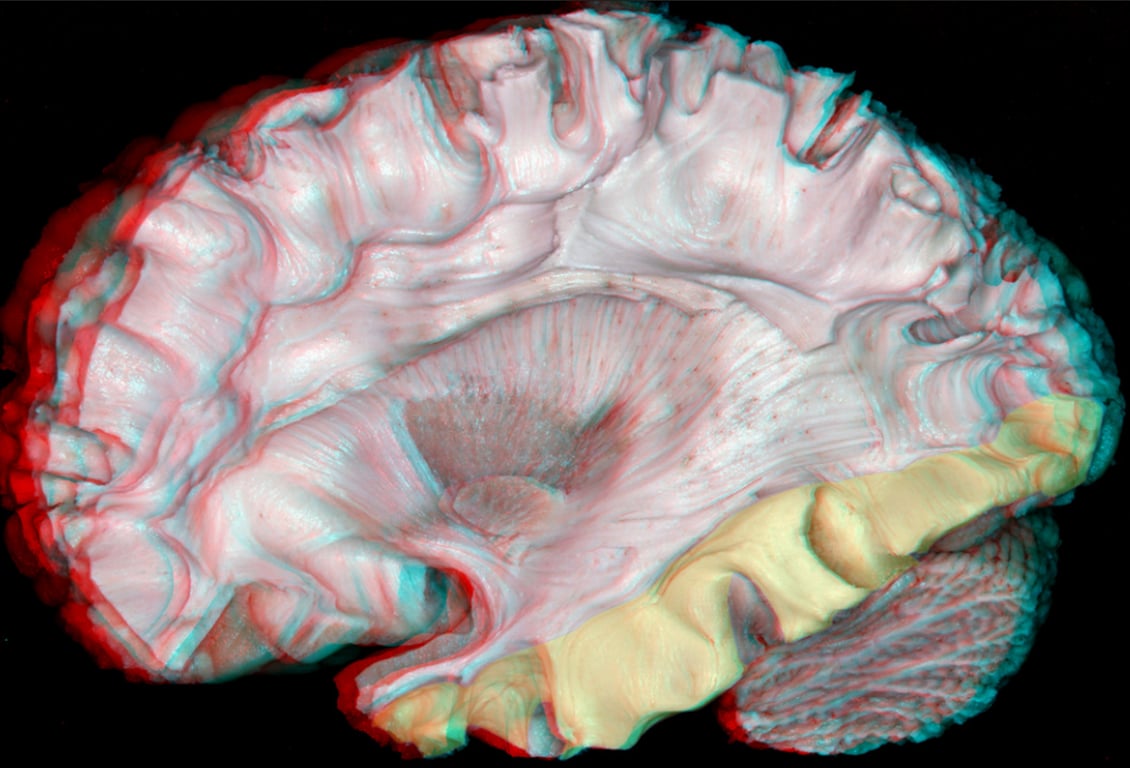
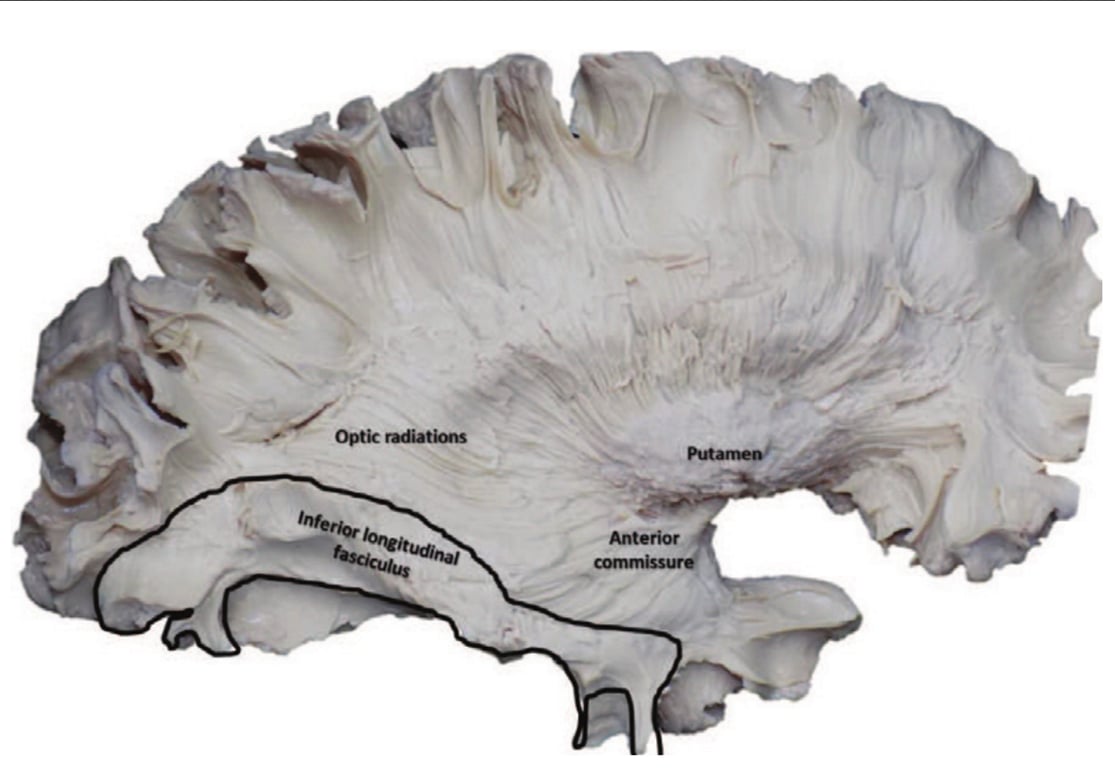
- Deep to the temporoparietal segment of the superior longitudinal fasciculus, which runs from the anterior temporal lobe in a posterior direction.
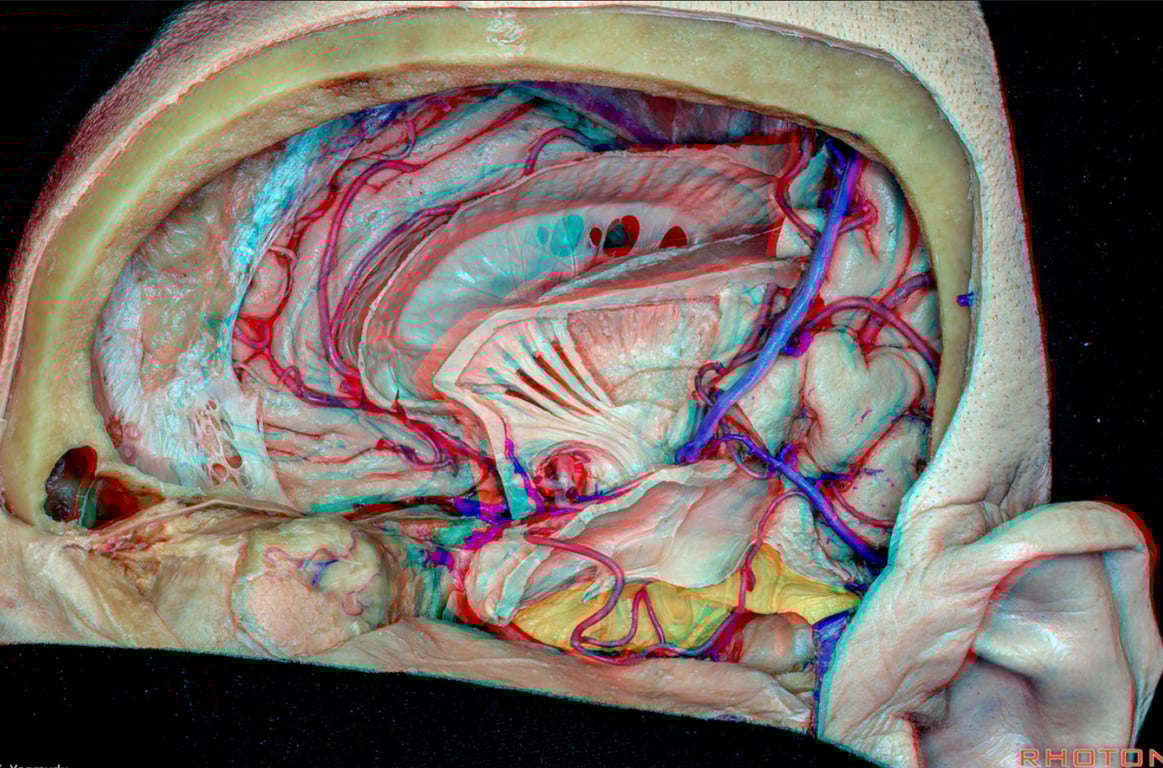
- Adjacent to the inferior part of the lateral wall of the temporal horn
- Located lateral and inferior to the optic radiations
Courses
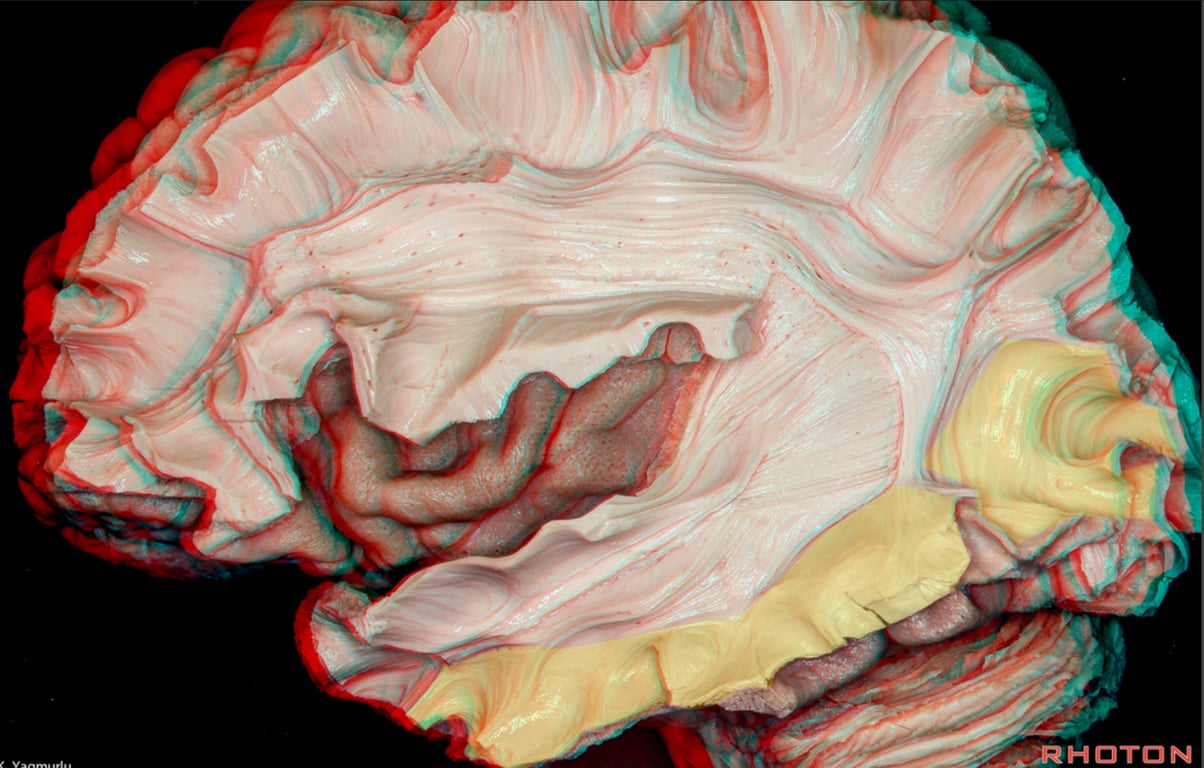
- Within inferior temporal gyrus
Connections
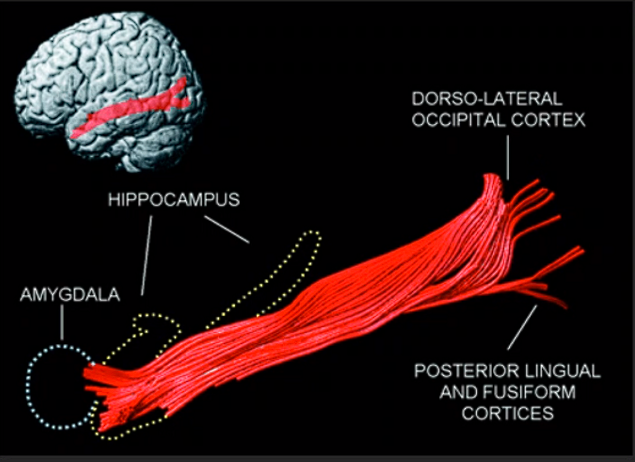
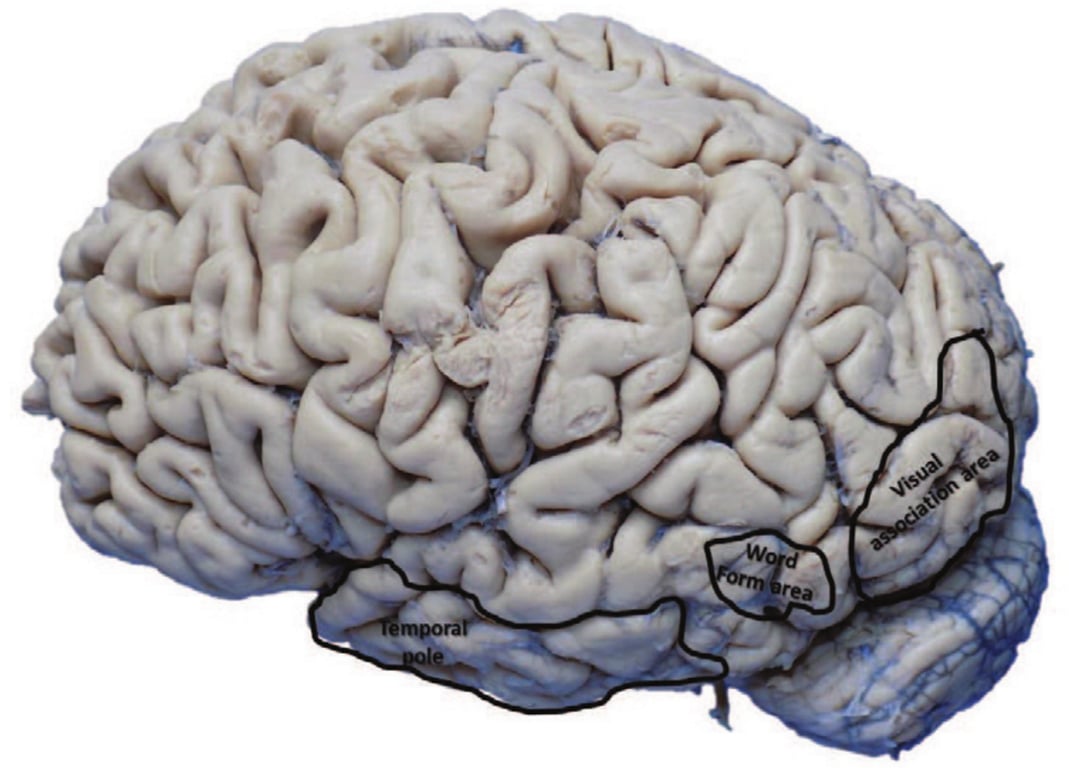
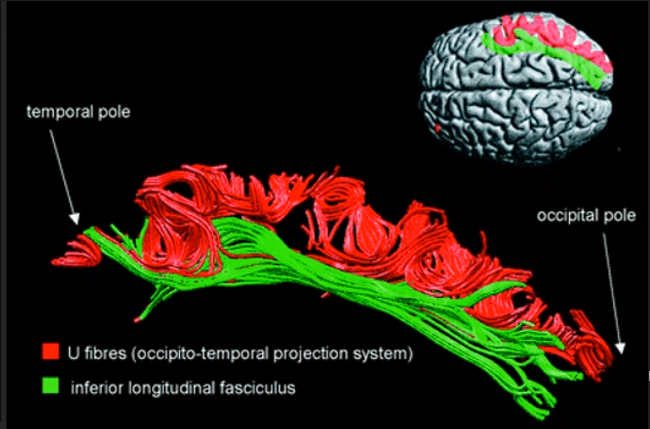
- Temporal pole → occipital lobe
- Passing inferolateral to the temporal horn of the lateral ventricle
- Temporal radiations connects to
- Uncinate fasciculus
- Occipital radiations connects to
- Inferior Occipitofrontalis fasciculus
2 subcomponents
- Posterior part:
- Connects the occipital lobe to the posterior occipitotemporal junction (visual object form area)
- In the left hemisphere
- If damaged causes pure alexia
- Anterior part:
- Connects the fusiform area at the occipito-temporal junction (FUSA) and the temporal pole
Hemispheric differences
- Right hemispheric ILF
- Function
- Facial/object recognition
- Fusiform area
- Deficit
- Prosopagnosia (i.e. an inability to recognize familiar faces)
- Hypoemotionality
- A modality-specific inability to become aroused by visual cues
- Left Hemispheric ILF
- Function
- Semantic processes
- Word finding (Reading)
- Alexia
- Lexicon retrieval
- Anomia or more generally naming difficulties
2 types of fibres
- Direct fibres
- Indirect fibres
- 2 types
- Anterior fibre
- Posterior fibre
- Connects temporal pole to visual association area
Function
- Dominant hemisphere
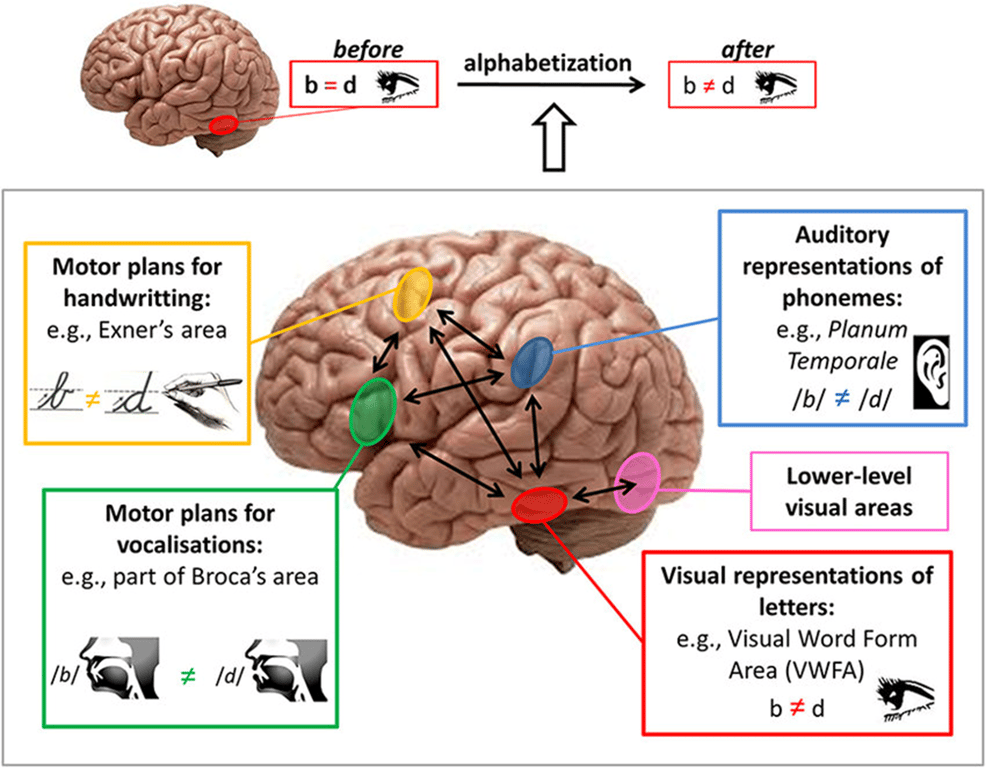
- Transfers visual input from occipital cortex → visual word form area (VWFA) (posterior part of the occipitotemporal sulcus)
- Reading
- Nondominant hemisphere
- Object
- Identification
- Discrimination
- Recognition: face recognition
Deficit
- Dominant hemisphere
- Alexia: Inability to recognize or read written words or letters
- Semantic paraphasia: entire word is substituted for the intended word: son for daughter, orange instead of apple
- Non dominant
- Visual agnosia
- Prosopagnosia (bilateral)
- Aka: face blindness
- Neuropsychological syndromes have been attributed to a disruption of specific fiber connections between visual and temporal cortex.
- These syndromes include:
- Visual agnosia
- Prosopagnosia
- Visual amnesia (a deficit of registering novel visual experiences in short-term memory with the preserved ability to register novel, nonvisual experiences and visual hypo-emotionality (a deficit of visually evoked emotions with preserved emotional responses to nonvisual stimuli
Images
 Made with Bullet