
General
- Children < 8 yrs of age: immobilise with thoracic elevation or an occipital recess (allows more neutral alignment due to the relatively large head)
- For isolated cervical spine ligamentous injuries and unstable or irreducible fractures of dislocations with associated deformity: consider primary operative treatment
- For cervical spine injuries that fail non-operative management: operative treatment
Atlanto-occipital dislocation
- Very unstable.
- Requires halo immobilisation if neurologically intact.
- Fusion if instability remains or neurological deficit.
- Occiput-C1 fusion if neurologically intact. Occiput-C2 fusion if neurologically impaired.
Atlas (C1) Fracture
- Halo immobilisation or Minerva brace. Up to 6 months of immobilisation may be necessary. Surgical intervention rarely indicated.
Atlanto-axial instability (rotatory subluxation or dislocation)
- AARF < 4 weeks old should be reduced manually or with Holter traction.
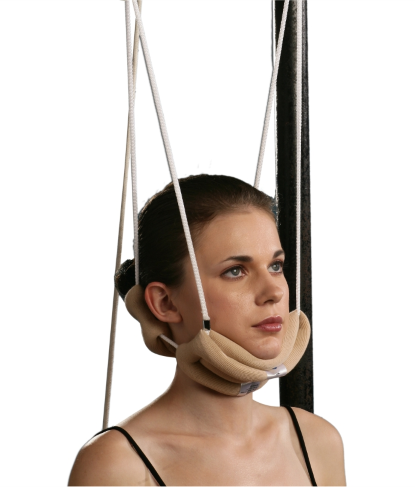
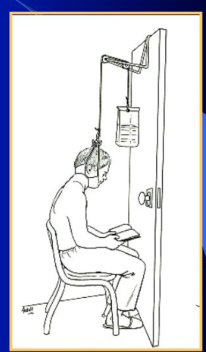
- AARF > 4 weeks old should be reduced with tongs/halo traction then immobilised with halo for 8-12 weeks (or proportional to duration of AARF).
- C1-C2 fusion
- Indication
- recurrent dislocation
- instability persistent or unable to reduce.
Hangman fracture (C2)
- Most respond to closed reduction and halo vest for 8 weeks.
- Posterior C1-C3 fusion indicated for non-union or significant disc disruption.
- C2 synchondrosis injury
- Children < 7 yrs of age
- closed reduction and halo immobilization
C2-C3 subluxation and dislocation
- <8 years
- closed reduction and halo vest immobilization.
- >8 years
- usually require posterior fusion.
Unstable subaxial cervical injuries
- <8 years, closed reduction and halo vest immobilization. Initial trial of Halo immobilization for 3 months for ligamentous instability.
- Posterior fusion if instability persists beyond 3 months.
- Early surgical stabilization for unstable fractures or spinal cord injury.
 Made with Bullet